
Meditation ≠ Inner Work: Why Self-Awareness Requires More Than Mindfulness
Why meditation alone won't heal your trauma—and how mastering deep inner work unlocks true, lasting transformation.
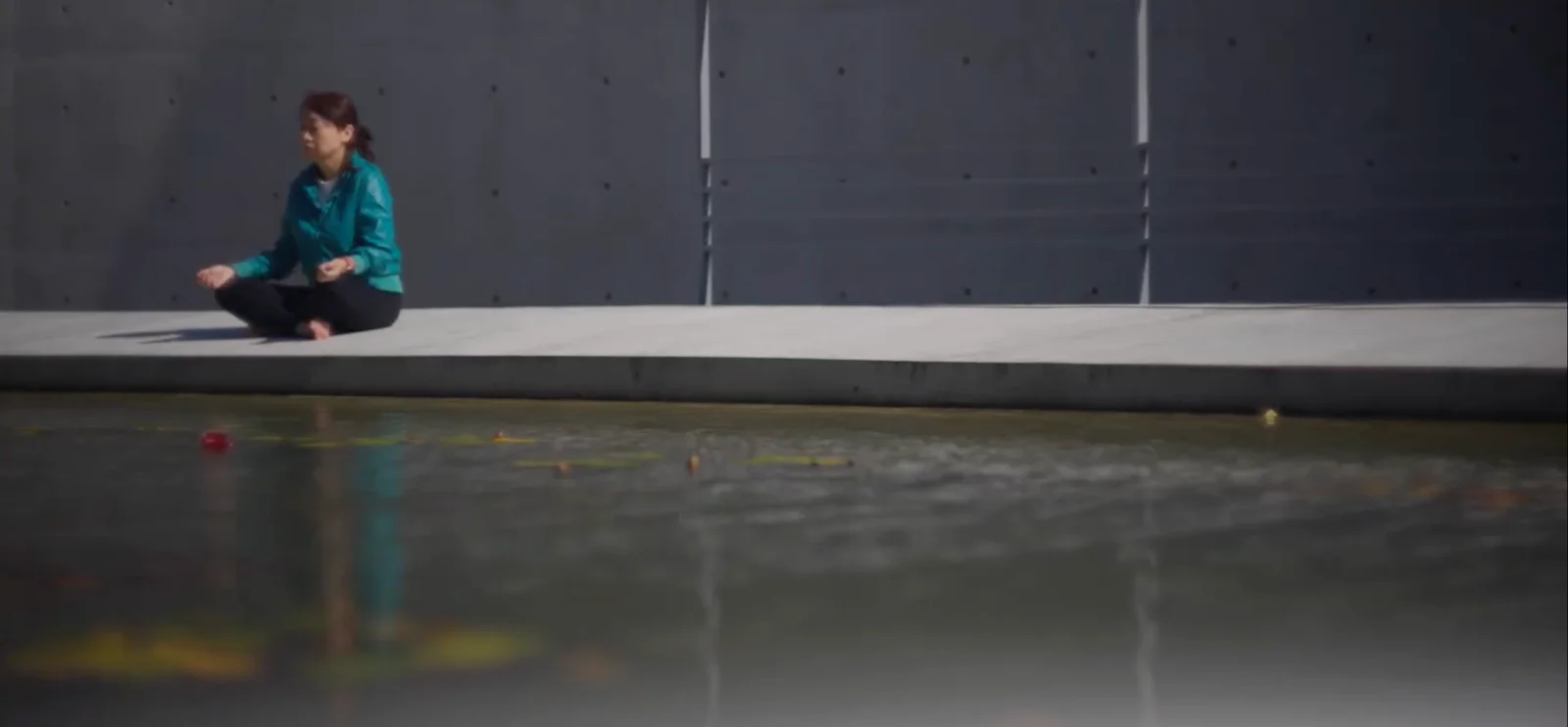
There’s a moment in every growth journey where things become complex. Because you are in the program. You're inside it, running it, and shaped by it, so you can’t see it clearly. It feels normal. But just because it feels normal doesn’t mean it’s healthy, conscious, or aligned. That’s the thing about blindspots. You don’t know they’re there. You’re in the mud and you’ve learned to call it home. We all have these internal scripts - survival mechanisms, trauma responses, identity beliefs, that we’ve built over a lifetime. They shape our decisions, reactions, relationships, and even our sense of self. And when we don’t know we’re in them, we mistake them for who we are. That’s where self-awareness comes in. But not the intellectual kind. This isn’t about labeling your “attachment style” or quoting Brené Brown. Real self-awareness is the ability to step outside of your current program and see it for what it is: a construct, a conditioning, not your essence. This is why many people turn to meditation to detach from the program. To observe. To let go. To zoom out. But let’s get one thing straight: Meditation is not healing. A lot of people treat meditation like a spiritual shortcut. A bypass. They think if they close their eyes long enough, their trauma will dissolve. Their inner chaos will quiet down. Their past will integrate itself. But here’s what actually happens: They sit down. They close their eyes. And within minutes, the monkey mind kicks in. The chaos bubbles up. The memories, the noise, the distractions—they all come rushing in. Because that’s what’s inside. A Personal Story: Why I Hated Closing My Eyes Years ago, I couldn’t sit still for more than 5 minutes. Every time I tried to meditate, I was flooded with noise - unresolved emotions, racing thoughts, looping memories. I hated closing my eyes. It felt like stepping into a war zone. So I avoided it. I distracted myself with work, social life, learning, anything that kept me outside of myself. Eventually, I realized: I wasn’t afraid of stillness. I was afraid of meeting myself. Meditation didn't work for me back then, not because it was flawed, but because I was using it the wrong way. I was using it to escape, not to transform. It wasn’t until I did the inner work - the deep, confronting, often messy work of facing my wounds that I could actually meditate with presence and clarity. And that distinction changed everything. Meditation ≠ Inner Work Let’s be very clear: Inner work is about going inward: healing, confronting, resolving, integrating. Meditation is about stepping out: witnessing, observing, detaching, letting go. They are two different paths, each with their own tools and training. You can’t bypass one with the other. That’s where finesse comes in—knowing what to use, when, and how. A Case Study: The Executive Who Couldn't Sit Still I once coached a high-performing executive who said, “I’ve been meditating every day for 5 years. But I still feel stuck. Nothing’s changing.” We explored his practice. Turns out, he was using meditation to numb himself. To avoid feeling. To dissociate from the discomfort of his life rather than engage with it. He had mastered the art of stillness… but hadn’t developed the courage to go inward. When we finally turned toward his inner world, what surfaced was a lifetime of unresolved grief from his father’s death, a grief he never gave himself permission to feel. Once he faced it, things started to shift rapidly. His leadership style softened. His relationships deepened. His body even started sleeping better. He didn’t need a longer meditation cushion. He needed inner work. The Forest Metaphor: Why a Map Matters Let me ask you something: If I dropped you in the middle of a dense forest, and you were lost, what’s the first thing I would ask? “Where are you?” Because until I know your coordinates, I can’t send a rescue team. But if you don’t know where you are, what direction you came from, or what tools you have… how do you expect to get out? This is how most people approach personal development. They want clarity and transformation, but they don’t even know their starting point. They haven’t developed their internal tools: their hearing, intuition, sense of direction. They’ve been so busy tuning out what’s painful that they’ve also silenced their ability to sense what’s true. You see, you can’t navigate a forest with broken senses. And you can’t navigate your inner world without developing the parts of you that you’ve abandoned. Why Development Matters Your faculties—intuition, emotion, sensitivity, discernment—are part of your natural toolkit. They’re not “spiritual” extras; they’re survival skills. And most of us are walking around with them underdeveloped. That’s why real development work matters. You never know when you’ll need those tools. You never know what life will ask of you. But when your internal compass is finely tuned, you’ll always know how to respond. Final Thought: The Art of Finesse This is not about picking sides. Meditation and inner work are both essential. But they are not interchangeable. Wisdom is knowing: What to use When to use it How to align with the moment 天时,地利,人和 Right time. Right place. Right harmony. Your transformation isn’t about doing more. It’s about becoming more precise. So I’ll leave you with this: Where are you? Not in theory, but right now. In your body. In your story. In your forest. Do you know your coordinates? Because from there, we can begin. If this resonated, share it with someone who’s been “stuck” despite all their tools.